
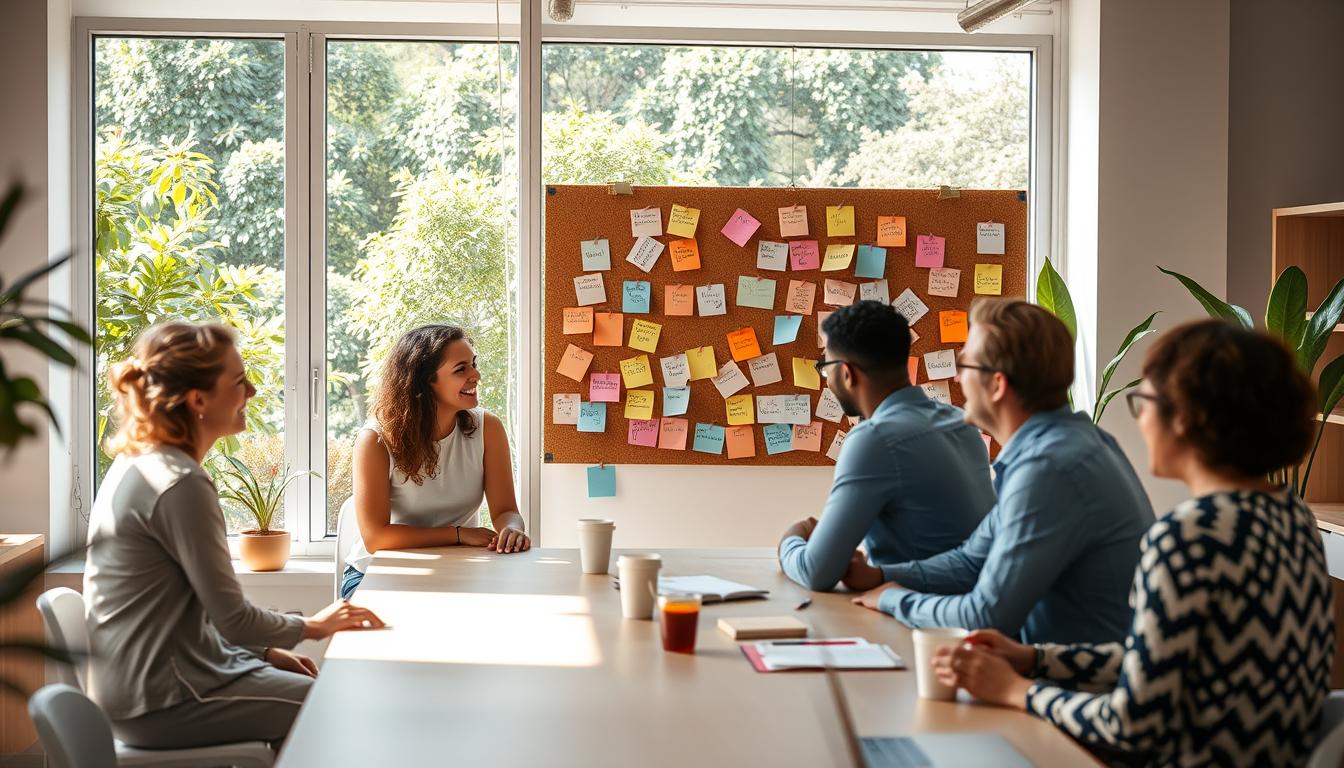
Fostering Mutual Respect and Appreciation
Cultivating a culture of mutual respect and appreciation is essential for a more harmonious life. When we appreciate others and show respect, it creates a positive ripple effect in our communities and personal relationships.
By creating a culture of appreciation, we can foster a more supportive and understanding environment. This not only improves our interactions with others but also contributes to a more cohesive society.
In today’s world, it’s more important than ever to focus on building strong, respectful relationships. By doing so, we can create a more harmonious and appreciative community.
Key Takeaways
- Cultivating mutual respect is crucial for harmonious relationships.
- Creating a culture of appreciation improves community cohesion.
- Appreciation and respect have a positive impact on personal and societal levels.
- Fostering a supportive environment enhances our interactions with others.
- A culture of appreciation contributes to a more understanding society.
The Importance of Respect in Human Connections
At the heart of every meaningful connection lies a foundation of mutual respect and appreciation. Respect is a foundational element in both personal and professional relationships, involving the acknowledgment of the inherent worth of individuals, which is crucial for trust and collaboration.
Defining Respect in Modern Society
Respect in modern society encompasses various dimensions, including tolerance, understanding, and empathy. It is about recognizing and valuing the differences among individuals. In a diverse society, respect is key to fostering harmonious relationships.
Cultural Variations in Showing Respect
Cultural norms significantly influence how respect is shown and perceived. For instance:
- In some cultures, respect is shown through deference to elders.
- In others, it is demonstrated through polite language and courteous behavior.
- Some cultures place a high value on direct eye contact as a sign of respect.
Understanding these cultural variations is essential for enhancing empathy and understanding in our increasingly globalized world.
The Psychological Benefits of Feeling Appreciated
Feeling appreciated has profound psychological benefits, including enhanced self-esteem and a sense of belonging. When individuals feel respected, they are more likely to be motivated and engaged in their personal and professional lives.
How Respect Shapes Our Identities
Respect plays a significant role in shaping our identities by influencing how we perceive ourselves and our place within society. It contributes to our sense of self-worth and can impact our life choices and aspirations.
By fostering respect in the workplace and beyond, we can create environments that promote positive interactions and mutual understanding.
Building Effective Communication for Better Understanding
The key to understanding others lies in our capacity to communicate with clarity and respect. Effective communication is crucial in fostering mutual respect and appreciation among individuals.
Active Listening as a Form of Respect
Active listening is a powerful tool in building respect. It involves fully concentrating on what the other person is saying, understanding their perspective, and responding thoughtfully.
Practical Techniques for Better Listening
To improve listening skills, one can use several techniques:
- Maintain eye contact to show engagement.
- Avoid interrupting the speaker.
- Use verbal cues like “I see” or “uh-huh” to indicate understanding.
Expressing Thoughts Without Judgment
Expressing thoughts clearly without judgment is vital in effective communication. This involves being aware of one’s tone and language to avoid causing unintended offense.
Navigating Difficult Conversations Respectfully
Difficult conversations are inevitable, but they can be navigated respectfully with the right strategies.
De-escalation Strategies for Heated Moments
When conversations become heated, de-escalation techniques can help:
| Technique | Description | Example |
|---|---|---|
| Stay Calm | Maintain a calm demeanor to diffuse tension. | Take a deep breath before responding. |
| Acknowledge Emotions | Recognize the other person’s feelings. | “I understand you’re upset.” |
| Use “I” Statements | Express feelings without blaming the other person. | “I feel frustrated when…” |
By incorporating these strategies into daily interactions, individuals can foster a culture of respect and understanding.
Fostering Mutual Respect and Appreciation
To build a culture of respect, we must first understand the importance of appreciation. Fostering mutual respect and appreciation is essential in all aspects of life, from personal relationships to professional environments. By incorporating simple practices into our daily lives, we can create a more respectful and appreciative atmosphere.
Daily Practices to Show Appreciation
Showing appreciation can be as simple as expressing gratitude towards others. Some effective ways to do this include:
- Writing thank-you notes to acknowledge someone’s effort or support.
- Giving genuine compliments that highlight someone’s achievements or qualities.
- Recognizing others’ contributions in meetings or gatherings.
These small acts can significantly enhance the sense of belonging and respect among individuals.
Creating Environments Where Respect Thrives
The environment plays a crucial role in fostering respect. This includes both physical and emotional spaces.
Physical and Emotional Space Considerations
Ensuring that physical spaces are comfortable and inclusive can promote a sense of respect. Similarly, creating an emotional space where individuals feel safe to express themselves is vital. This involves:
- Maintaining a clean and organized workspace.
- Encouraging open and honest communication.
- Being mindful of non-verbal cues and body language.
Overcoming Barriers to Mutual Respect
Despite our best efforts, barriers to mutual respect can arise. One significant barrier is unconscious bias.
Addressing Unconscious Biases
Unconscious biases are prejudices or assumptions that affect our judgments and decisions. To overcome these biases, it’s essential to:
- Recognize and acknowledge our own biases.
- Seek diverse perspectives to broaden our understanding.
- Engage in training or workshops that focus on bias awareness and reduction.
By actively working to address unconscious biases, we can foster a more inclusive and respectful environment.
Promoting Positive Relationships Through Empathy
Empathy plays a crucial role in promoting positive relationships by encouraging understanding and compassion. When we empathize with others, we create a foundation for deeper, more meaningful connections. This not only enhances our personal relationships but also fosters a more harmonious community.
Developing Perspective-Taking Skills
Developing the ability to see things from another person’s perspective is a fundamental aspect of empathy. This involves active listening and attempting to understand the other person’s feelings and thoughts. By doing so, we can respond in a more thoughtful and considerate manner, strengthening our relationships.
Recognizing Emotional Needs in Others
Understanding the emotional needs of others is vital in building strong, positive relationships. This requires being attentive to both verbal and non-verbal cues. By recognizing these needs, we can offer support and comfort when it’s needed most.
Reading Verbal and Non-verbal Cues
Reading verbal cues involves listening carefully to what the other person is saying, while non-verbal cues include body language and facial expressions. Being adept at reading these cues can significantly enhance our ability to empathize with others. For instance, noticing a friend’s slumped posture and avoiding eye contact can indicate they’re feeling down, prompting us to offer support.
- Maintain eye contact to show you’re engaged.
- Notice changes in tone and pitch.
- Observe body language for signs of distress or discomfort.
Practicing Compassion in Daily Interactions
Practicing compassion involves showing kindness and understanding towards others. This can be as simple as offering a kind word or being patient with someone who’s having a bad day. By incorporating compassion into our daily interactions, we can significantly enhance our relationships and contribute to a more positive social environment.
By focusing on empathy, we can create a ripple effect of kindness and understanding that benefits everyone around us. It’s a simple yet powerful way to make a positive impact on our daily lives and the lives of those we interact with.
Fostering Respect in the Workplace
In today’s diverse workplaces, fostering respect is key to unlocking the full potential of every employee. A culture of respect not only enhances collaboration but also boosts employee satisfaction and productivity.
Building Team Cohesion Through Appreciation
Recognizing and appreciating employees’ efforts is crucial for building a cohesive team. When employees feel valued, they are more likely to respect their colleagues and superiors. Simple acts like saying “thank you” or acknowledging a job well done can go a long way in fostering a positive work environment.
Leadership Practices That Model Respect
Leaders play a significant role in setting the tone for a respectful workplace. By modeling respectful behavior, leaders can encourage their teams to do the same. This includes being approachable, listening actively, and addressing conflicts promptly.
Creating Inclusive Work Environments
An inclusive work environment is one where everyone feels respected and valued. This can be achieved by promoting diversity, providing equal opportunities, and ensuring that all voices are heard. Inclusive environments foster creativity and innovation, leading to better outcomes for the organization.
Recognition Programs That Work
Implementing recognition programs is an effective way to show appreciation and foster respect. These programs can be as simple as an Employee of the Month award or as comprehensive as a peer-to-peer recognition system. The key is to make sure that the recognition is sincere and meaningful.
By implementing these strategies, organizations can create a workplace culture that values respect and appreciation, leading to a more harmonious and productive work environment.
Conclusion: Cultivating Lifelong Habits of Respect
Fostering mutual respect and appreciation is crucial in today’s society. By understanding the importance of respect in human connections, we can build stronger, more meaningful relationships.
Nurturing mutual understanding is key to creating environments where respect thrives. This involves practicing active listening, expressing thoughts without judgment, and navigating difficult conversations respectfully.
By adopting these habits, we can promote positive relationships and create a more harmonious life. Fostering mutual respect and appreciation is a lifelong process that requires effort and dedication, but the benefits are well worth it.
As we cultivate these habits, we can create a ripple effect of kindness and compassion that extends beyond our personal relationships to our communities and workplaces.