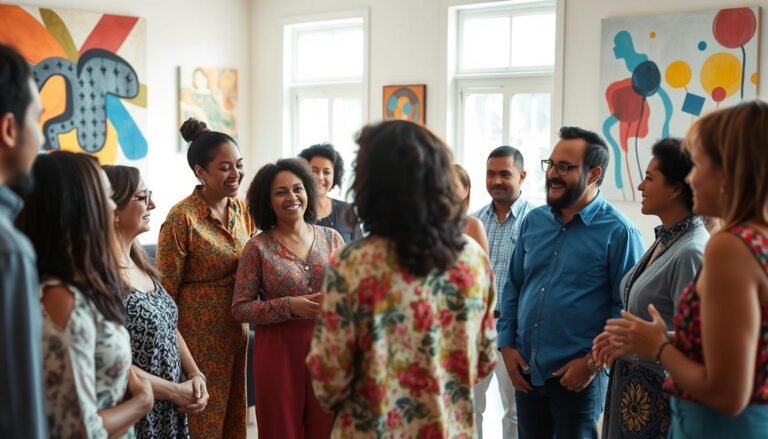

Embracing Personal Growth in Relationships
Nurturing a healthy relationship involves more than just sharing moments with your partner; it’s about evolving together. Focusing on self-improvement can significantly enhance relationship dynamics, leading to a more fulfilling connection.
By prioritizing emotional intelligence and self-awareness, individuals can better navigate the complexities of their relationships, fostering a deeper understanding and respect for one another.
Key Takeaways
- Personal development is crucial for a healthy relationship.
- Emotional intelligence enhances relationship dynamics.
- Focusing on self-improvement leads to a more fulfilling connection.
- Nurturing a relationship involves evolving together.
- Self-awareness is key to navigating relationship complexities.
The Foundation of Growth-Oriented Relationships
Growth-oriented relationships are built on a foundation that nurtures both individual and collective development. At the heart of every enduring relationship lies a robust foundation, built on the cornerstones of communication, trust, and respect.
Understanding how personal growth operates within the context of a relationship is crucial. Personal growth in relationships involves supporting each other’s goals, aspirations, and development. It’s about creating an environment where both partners feel encouraged to evolve.
Understanding Personal Growth in the Context of Relationships
Personal growth within a relationship is a dynamic process. It involves:
- Embracing challenges together
- Learning from failures
- Supporting individual pursuits
This dynamic fosters a deeper connection and promotes a healthier partnership.
The Difference Between Fixed and Growth Mindsets in Partnerships
The concept of growth mindset, coined by Carol Dweck, is pivotal in understanding how relationships evolve. A growth mindset believes that abilities can be developed, while a fixed mindset sees them as innate.
“The view you adopt for yourself profoundly affects the way you lead your life.”
In relationships, a growth mindset encourages partners to view challenges as opportunities for growth, rather than threats to their ego. This mindset is crucial for evolving together in relationships.
By adopting a growth mindset, couples can navigate life’s challenges more effectively, fostering a more resilient and fulfilling partnership.
Recognizing the Signs of Growth Stagnation in Relationships
Stagnation in personal growth can be a silent killer of relationships, often going unnoticed until it’s too late. When one party in a relationship stops growing, it can have profound negative consequences on the dynamics of the relationship. It’s essential to recognize the signs of stagnation early to take corrective measures.
Common Indicators That Personal Development Has Stalled
A lack of interest in new activities, stagnant personal goals, and a general feeling of being “stuck” are common indicators that personal development has stalled. When individuals stop challenging themselves, they can become complacent, leading to a stagnation in relationship growth and self-improvement.
Other signs include a decrease in communication, a lack of emotional intimacy, and a sense of disconnection from one’s partner. Recognizing these signs early can help in addressing the root causes and fostering a more growth-oriented environment in the relationship.
How Relationship Dynamics Can Unintentionally Inhibit Individual Growth
Sometimes, relationship dynamics can unintentionally inhibit individual growth. For instance, when partners become too comfortable, they may start to limit each other’s potential by not encouraging new experiences or personal development. This can lead to a stagnation in personal growth, affecting the overall health of the relationship.
“The greatest glory in living lies not in never falling, but in rising every time we fall.” – Nelson Mandela
Breaking Free from Comfort Zones Together
Cultivating evolution in relationships requires effort from both partners. Breaking free from comfort zones together can be achieved by setting new goals, exploring new hobbies, and encouraging each other to take on new challenges. This not only fosters personal growth but also strengthens the bond between partners.
By recognizing the signs of growth stagnation and working together to overcome them, couples can ensure that their relationship continues to grow and evolve. Fostering personal growth in partnership is key to a healthy, thriving relationship.
Valuing Personal Growth and Evolution in Relationships
Personal growth and relationship health are interdependent, and nurturing one benefits the other. When both partners prioritize their individual development, they foster a sense of teamwork and mutual encouragement, which in turn strengthens their bond.
The Interdependence of Individual Growth and Relationship Health
The health of a relationship is closely tied to the personal growth of its members. As individuals evolve, they bring new experiences, understanding, and maturity into the relationship, which can enhance the connection and intimacy between partners. Nurturing personal growth within a relationship allows partners to support each other’s aspirations and challenges, creating a more resilient and fulfilling partnership.
Creating Space for Personal Development While Maintaining Connection
Creating space for personal development is crucial, but it must be balanced with maintaining connection. Partners can achieve this by supporting individual pursuits and interests while also scheduling regular quality time together. This balance ensures that both the individual’s and the couple’s needs are met.
By doing so, partners can avoid feelings of isolation or neglect that might arise when one partner is focused on personal growth. Regular communication about goals, aspirations, and challenges helps in aligning individual growth with the health of the relationship.
Balancing Autonomy and Togetherness
Balancing autonomy and togetherness is key to valuing personal growth and evolution in relationships. Partners need to respect each other’s need for independence and personal space while also nurturing their bond. Prioritizing growth and development in relationships means understanding that autonomy and togetherness are not mutually exclusive but complementary aspects of a healthy partnership.
- Encourage individual interests and hobbies.
- Schedule quality time together.
- Communicate openly about personal goals and aspirations.
By embracing this balance, couples can create a relationship environment that is supportive, nurturing, and conducive to both personal and mutual growth.
Developing a Growth Mindset as a Couple
Developing a growth mindset as a couple involves embracing challenges, persisting through obstacles, and cultivating a deeper understanding of each other. This mindset allows partners to evolve together, supporting each other’s personal growth and strengthening their relationship.
Principles of the Growth Mindset Applied to Relationships
A growth mindset in relationships is built on the belief that abilities and intelligence can be developed through dedication and hard work. Couples who adopt this mindset view challenges as opportunities for growth, rather than threats to their ego or relationship.
Communication Strategies That Foster Mutual Development
Effective communication is crucial for fostering mutual development in a relationship. Active listening and constructive feedback are essential strategies that help partners understand each other’s needs and grow together.
Active Listening Techniques
Practicing active listening involves being fully present in the moment, savoring the time spent together, and appreciating the little things that often go unnoticed. This technique helps partners feel heard and understood, fostering a deeper connection.
Constructive Feedback Approaches
Giving and receiving constructive feedback is vital for growth in a relationship. It involves providing specific, actionable insights that help partners improve and grow, rather than criticizing or blaming each other.
Setting Individual and Shared Growth Goals
Setting individual and shared growth goals helps couples focus on their personal development and relationship growth. By working together towards common objectives, partners can support each other’s evolution and strengthen their bond.
Practical Ways to Support Your Partner’s Evolution
Supporting your partner’s evolution is crucial for a healthy and fulfilling relationship. As individuals grow and change, their relationships must adapt to accommodate this growth. By doing so, partners can build a strong and resilient bond that fosters personal development.
Encouraging Individual Pursuits and Interests
One of the most effective ways to support your partner’s evolution is by encouraging their individual pursuits and interests. This can involve supporting their hobbies, passions, or career goals. By doing so, you create a safe and nurturing environment that allows them to explore and develop their identities.
For instance, if your partner has always wanted to learn a new language, you can encourage them by enrolling in a class together or practicing with language learning apps. This not only supports their personal growth but also brings you closer together as you share in their excitement and progress.
Celebrating Growth Milestones Together
Celebrating milestones and achievements with your partner is essential as it strengthens your bond and creates shared memories. Acknowledging their progress and accomplishments can be as simple as having a special dinner or writing a heartfelt note. This practice reinforces the idea that their growth is valued and supported within the relationship.
“The greatest happiness of life is the conviction that we are loved; loved for ourselves, or rather, loved in spite of ourselves.” – Victor Hugo
Navigating Growth at Different Paces
It’s common for partners to grow at different paces, which can sometimes lead to feelings of frustration or disconnection. To navigate this, it’s essential to maintain open and honest communication. Discussing your goals, aspirations, and challenges can help you understand each other’s perspectives and find ways to support each other, even when you’re not growing at the same rate.
| Strategies | Benefits |
|---|---|
| Regular check-ins | Improved communication and understanding |
| Shared goal setting | Aligns individual goals with relationship objectives |
| Emotional support | Fosters a sense of security and trust |
Creating Accountability Systems That Work
Creating accountability systems can help partners stay on track with their personal and shared goals. This can be achieved by setting regular check-ins, creating a shared journal, or using productivity apps. By establishing a system that works for both partners, you can ensure that you’re both committed to supporting each other’s growth and evolution.
By implementing these practical strategies, you can cultivate a relationship that not only supports personal growth but also fosters a deeper and more meaningful connection with your partner.
Overcoming Challenges in Growth-Focused Relationships
As couples prioritize growth and development, they may encounter obstacles that require careful navigation. Challenges can sometimes bring you and your partner closer as you navigate them as a team. However, it’s essential to address the potential hurdles that can arise in growth-oriented relationships.
Addressing Fear of Change and Growth Disparities
Fear of change is a natural response when individuals are faced with personal growth opportunities. In a relationship, this fear can be amplified if partners are at different stages of their growth journey. Open communication is key to addressing these disparities. By discussing their fears and aspirations, couples can work together to create a supportive environment that fosters growth.
Managing External Pressures and Expectations
External pressures from family, friends, or societal expectations can impact a couple’s ability to prioritize growth and development. It’s crucial for partners to align their expectations and support each other’s goals, even when faced with external pressures. By doing so, they can maintain a strong focus on their shared and individual growth objectives.
Resolving Conflicts That Arise During Personal Evolution
Conflicts can arise when individuals undergo personal evolution, as their changing needs and desires may create tension within the relationship. To resolve these conflicts, couples should practice active listening and empathy, seeking to understand each other’s perspectives and find common ground.
| Conflict Resolution Strategies | Description |
|---|---|
| Active Listening | Listening fully to your partner without interrupting or planning your response. |
| Empathy | Seeking to understand your partner’s feelings and perspectives. |
| Seeking Common Ground | Finding mutually beneficial solutions that respect both partners’ needs. |
When to Seek Professional Support
While many challenges can be overcome through open communication and mutual support, there are times when seeking professional help is necessary. If conflicts persist or if growth disparities create significant tension, couples may benefit from seeking the guidance of a therapist or counselor.
“The greatest thing in the world is to know how to be one’s own self.” – Michel de Montaigne
By acknowledging the potential challenges and proactively working to overcome them, couples can strengthen their relationship while prioritizing growth and development.
Conclusion: Cultivating Lifelong Growth Together
Embracing love is a continuous dance of give and take, a melody where the notes of individuality and togetherness create a harmonious symphony. Nurturing personal growth within relationships is essential to maintaining this harmony. As individuals evolve, so do their relationships, making it vital to adopt a growth mindset in relationships.
Evolving together in relationships requires effort and dedication from all parties involved. By understanding the principles of a growth mindset and applying them to your partnership, you can foster an environment that encourages mutual development and support. This, in turn, strengthens the bond between partners and promotes a deeper understanding of one another.
As you continue on your journey together, remember that growth is a lifelong process. By embracing this mindset, you can navigate life’s challenges as a team, celebrating each other’s successes and learning from your setbacks. Cultivating lifelong growth together is the key to a fulfilling and lasting relationship.